
Iran Protests: Deadliest Crackdown in Decades
- Sakshi Mishra
- Feb 4
- 4 min read


Iran is experiencing one of its most intense domestic upheavals in many years, characterised by widespread demonstrations and a harsh response from the authorities, leading to many fatalities and significant global reproach. The disturbances, which kicked off in late December 2025 and escalated in early January 2026, have attracted worldwide focus as accounts of injuries and governmental actions differ greatly in the context of limited communication.
The demonstrations first arose due to severe financial hardship in Iran, characterised by rising prices, a failing currency, and increasing joblessness, which have greatly affected the everyday lives of people. What started as protests regarding economic struggles rapidly transformed into more extensive calls for political transformation, featuring criticisms of the rule of Supreme Leader Ayatollah Ali Khamenei and demands for foundational changes within Iran's religious government system.

The Iranian authorities reacted by cutting off internet and phone services, conducting widespread arrests, and sending security personnel across the country, significantly restricting the ability to independently confirm incidents happening locally.
Determining accurate numbers of fatalities is difficult because of limited access and differing information:
According to Iran International, a news source that publishes in Persian, over 12,000 individuals have lost their lives in what it characterises as an extraordinary slaughter amid the suppression.
Human Rights Activists News Agency (HRANA), an organisation focused on rights based in the United States, reports a significantly severe, yet slightly lower count of roughly 2,571 fatalities, which encompasses both civilians and some members of security forces, along with more than 18,000 individuals detained.
Figures provided by the Iranian government, as confirmed to Reuters, indicate that the number of deaths is close to 2,000, comprising both demonstrators and security personnel, with officials attributing a large portion of the unrest to “terrorists.”
Although the exact number is still debated, outside analysts concur that this marks one of the most lethal domestic suppressions in Iran since the Islamic Revolution of 1979.
The reasons behind this?
Economic Crisis: The economy of Iran has been adversely affected by extended sanctions and poor internal governance, leading to an increase in living expenses and joblessness, which has ignited early public outrage.
Political Repression: Persistent dissatisfaction regarding political liberties and the accumulation of authority within the clerical elite has intensified widespread calls for fundamental reform.
Information Blackouts: Government-imposed limitations on communication have obstructed clarity, leading to drastic constraints on journalism and resulting in inconsistencies in casualty reporting.
The global reaction to the crisis demonstrates both disapproval and diplomatic friction:

United Nations: The Human Rights Office of the UN has raised concerns regarding the rising violence, reporting hundreds of verified fatalities, and has urged the protection of peaceful demonstrations and human rights.
United States: President Donald Trump has visibly supported Iranian demonstrators, encouraging them to “continue their protests” and affirming that “assistance is forthcoming,” while cancelling meetings with Iranian representatives due to the crackdown. Additionally, the U.S. State Department has recommended that American nationals exit Iran because of safety issues.
United Kingdom: The government of the UK has denounced Iran’s authorities for the “brutal murder” of civilians and has introduced further sanctions in reaction to the turmoil.
European Union: Leaders of the EU have shown backing for the rights of demonstrators and cautioned about the potential for further sanctions.
NGO Coalition: More than thirty non-governmental organisations have come together to call for urgent measures from the UN to safeguard Iranian citizens and halt the ongoing atrocities.
In spite of global worries, both China and Russia have indicated their opposition to Western influence, making it difficult to achieve any meaningful action via the UN Security Council.
According to international legislation, especially the International Covenant on Civil and Political Rights (ICCPR), to which Iran is a signatory, governments are permitted to use force solely for the purpose of preserving public order when it is essential and appropriate. The use of excessive lethal force against civilians, especially during non-violent demonstrations, could be seen as breaches of international human rights standards and may lead to inquiries related to crimes against humanity if such actions are both widespread and systematic. Nevertheless, independent probes are mostly obstructed by the Iranian government.
Advocacy groups for human rights have called on the global community to record instances of abuse and explore actions under universal jurisdiction to ensure that those responsible are held accountable in a legal sense.
Within the country, the turmoil has widened the gaps between citizens and governmental bodies, leading to lasting effects on leadership, public confidence, and community unity.
On a regional scale, the disturbances could alter the geopolitical landscape throughout the Middle East, impacting interactions with surrounding nations and non-governmental entities.
On a global level, the crisis has put a strain on international relations, sparked discussions about the balance between sanctions and dialogue, and brought up concerns regarding worldwide systems aimed at safeguarding civilians living under oppressive regimes.
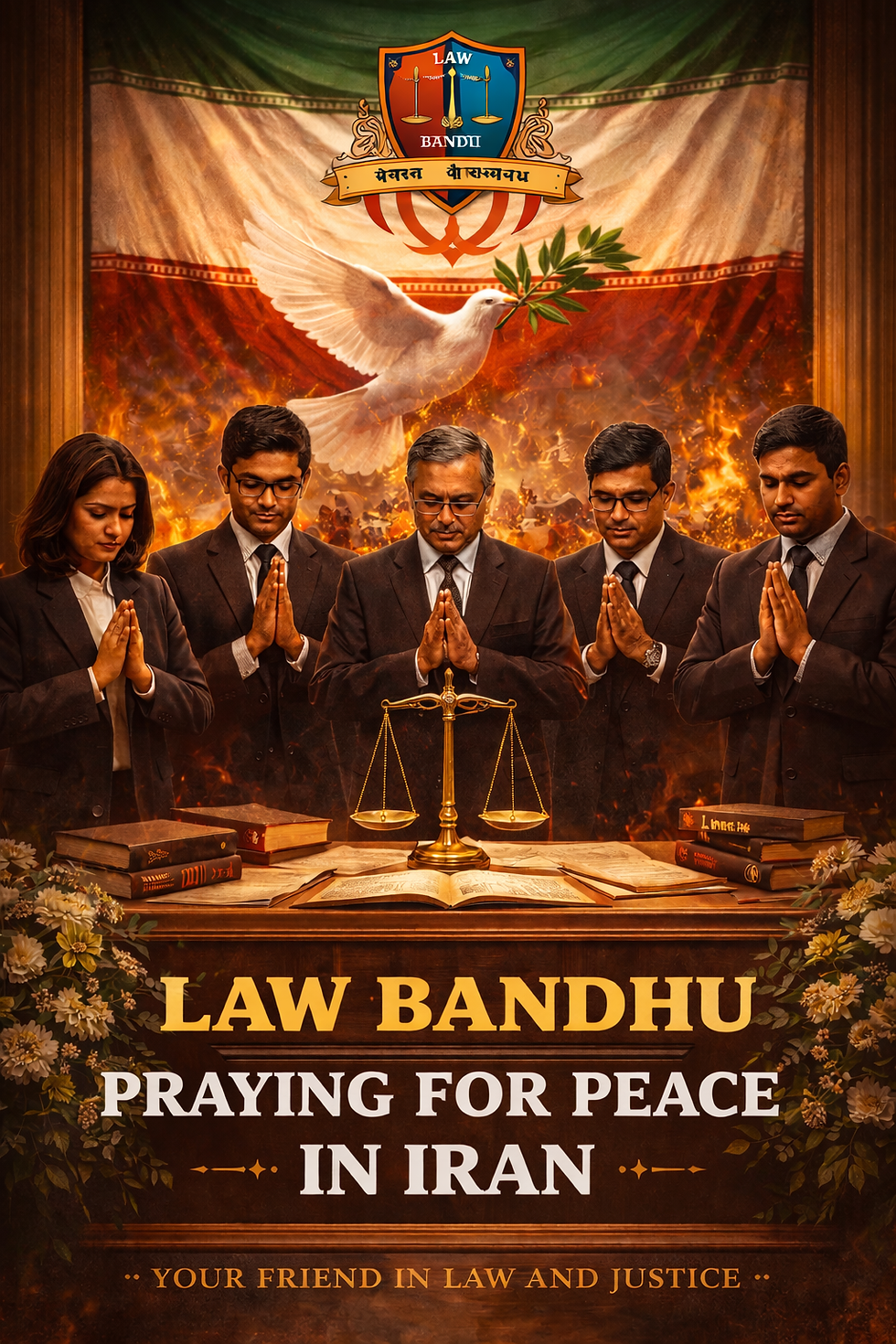
The conditions in Iran continue to be extremely unstable and ever-changing. The variations in reported fatalities, ranging from approximately 2,000 to assertions nearing 12,000 or higher, demonstrate the challenges in verifying information in restrictive environments. Yet, there is a widespread agreement regarding the seriousness of the repression and the immediate requirement for international focus. This emergency highlights significant legal and moral issues surrounding governmental use of violence, the safeguarding of human rights, and the obligations of the global community to intervene when civilians are endangered.
SOURCES@ Reuters – UN & Iran Protest Casualties, Iran International – High Death Toll Claims, Human Rights Activists News Agency (HRANA) , Al Jazeera – Iran Protests & Global Reaction, Associated Press (AP News), International Covenant on Civil and Political Rights (ICCPR – Legal Reference)


Comments